Participate in our survey development project!
Led by Dr. Emily Holt (University of Northern Colorado), our team seeks to understand how students define and understand scientific failures and what experiences may lead students to view failure in particular ways.
About the Survey and its implementation
-
We ask students about their past scientific failure experiences. We also ask them to rate their agreement on statements that help us understand how they define and understand science failures. The last few questions on the survey ask about their past experience with science research and collects some demographic information. At no point do we collect any information that will identify students.
-
For students to participate, an instructor will need to complete the form below indicating their interest. Instructor will then receive a link to the survey to share with their students within a message that they can post to their course website. We ask that instructors offer the survey as an extra credit assignment or for course credit because that increases response rate - which is a necessity for survey validation!
Instructors who are not teaching this term can also participate as expert consultants in a later phase of the study after the initial validation process with student responses.
-
For instructors sharing the survey with students through the campus learning management system, we already have language that can be copied and pasted into the LMS. We anticipate this will take no more than 10 minutes.
If you would like to be an expert reviewer of the survey tool, we anticipate that you will spend around 15 minutes on the survey and a 30 minute discussion about the survey with the research team.
-
We recommend that the survey is offered as an extra credit assignment or for course credit as an alternative assignment (for example, students can complete the survey in place of dropping an assignment if instructors have that kind of structure built into the course).
Ideally, this would be implemented on a learning management system, where students will then submit something (from the end of the survey) as verification of their completion of the survey. This way, instructors can easily keep track of who will receive credit for completion.
-
Anytime during the Spring 2026 semester!
The data we are collecting is not contingent on any class activities or class exams. As such, we don’t require a fixed time for survey dissemination. This would even work as a quick assignment at the end of term if instructors want to support students in reflecting on their experiences that could also provide them some credit in doing so!
-
The survey contains about 40 likert-style questions - all of which get at the concept of scientific failure in different ways. There are some additional multiple-choice demographic questions which include questions about students’ majors and past science research experiences. Altogether, this will take students about 15 minutes to complete. We have tested prior iterations of the survey with students and even with longer versions, this was the average time of completion.
-
The survey that students complete ask students to be reflective about their learning experience and their scientific failures. Instructors who deployed these in Spring 2024 have told us that students really appreciated the opportunity to be reflective and learned from the experience! Future students will benefit through the knowledge gained from this tool used to reframe struggles and failure in science classrooms.
-
You can reach us anytime via our contact page. We aim to respond quickly—usually within one to two business days. You can also email Sandhya Krishnan directly at skrishnan1@ualr.edu.
Instructor sign-up!
We’re looking for instructors teaching any and all natural science courses for undergraduate students to disseminate a 10-15 minute survey to their students.
If you aren’t teaching and would like to be an expert reviewer of the survey, you can also sign up here!
Complete the form with a few details about your course and how you’d like to implement this (more details in the sections below). We'll review your message and get back to you within 48 hours.
If you are a student and found yourself on this page, check with your science instructor for the link to the survey!
Our Research Design
What began as a passion project has evolved into something more. Over the past several years, we’ve been developing a 15-minute survey tool that would allow us to accurately capture how students think about and understand science failure experiences. Now, we’re working to validate this tool across student populations in science learning courses.
Phase I - Current!
Recruiting instructors across the country to share our survey with students in their courses.
Analyze survey results to understand trends in student definitions of failure
Revise the survey tool to reflect these trends
Phase II
Conduct additional validation with student populations: cognitive interviews
Revise survey tool to reflect student trends and student understanding of tool
Phase III
Conduct additional validation with scientists
Revise survey tool to reflect student and scientist reflections on failure
Disseminate survey tool to confirm evidence of trends
Our Team
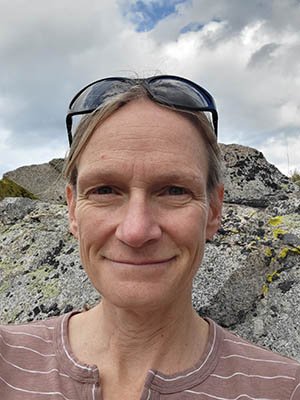
Emily Holt, PhD
Professor, Biological Sciences, University of Northern ColoradoNursing Student, Emory University Nell Hodgson Woodruff School of Nursing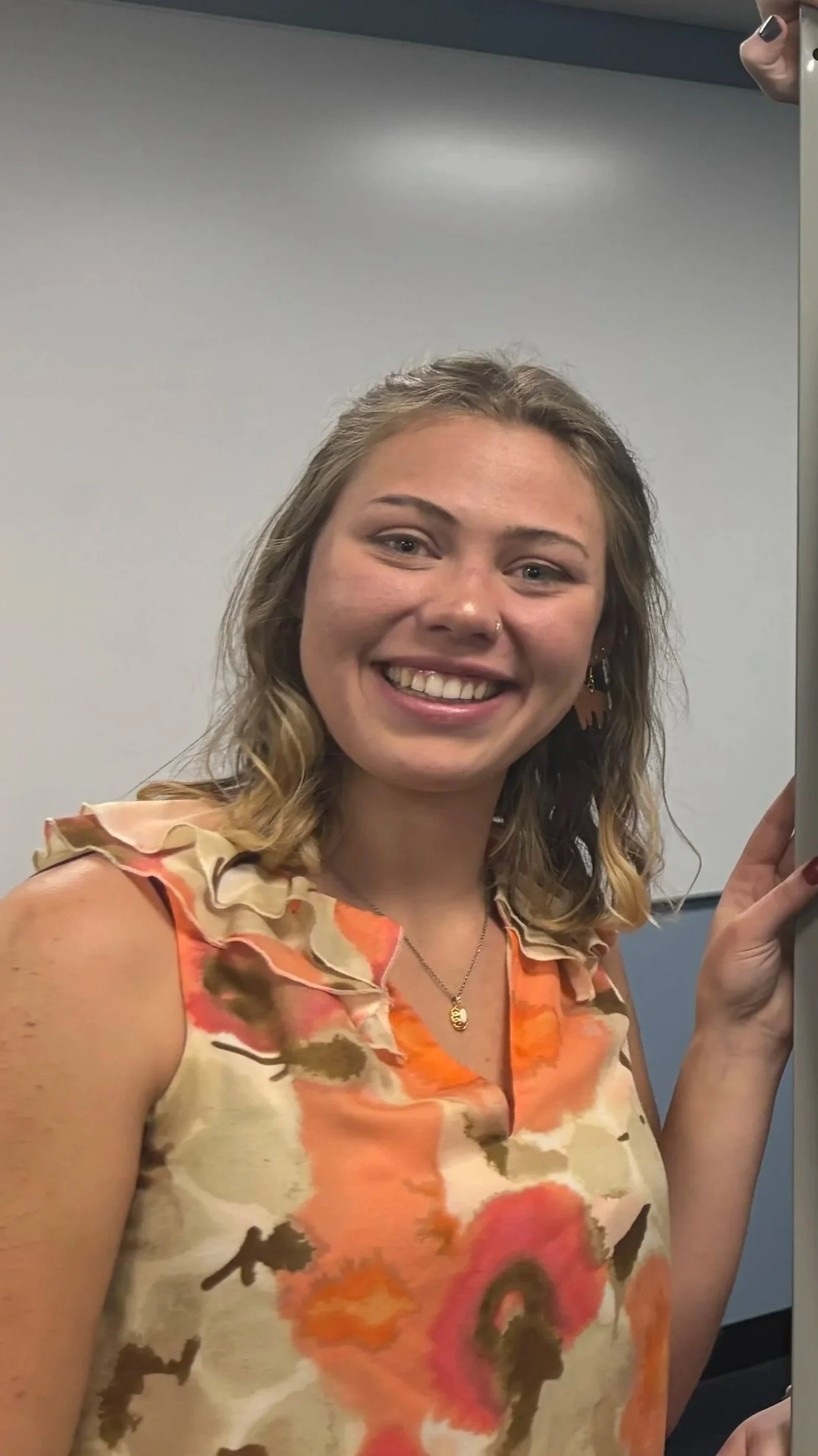
Brooke Nolan
Postdoctoral Research Fellow, University of Arkansas Little Rock & University of Colorado Boulder Affiliate